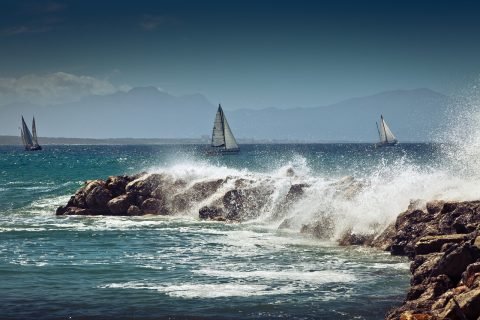
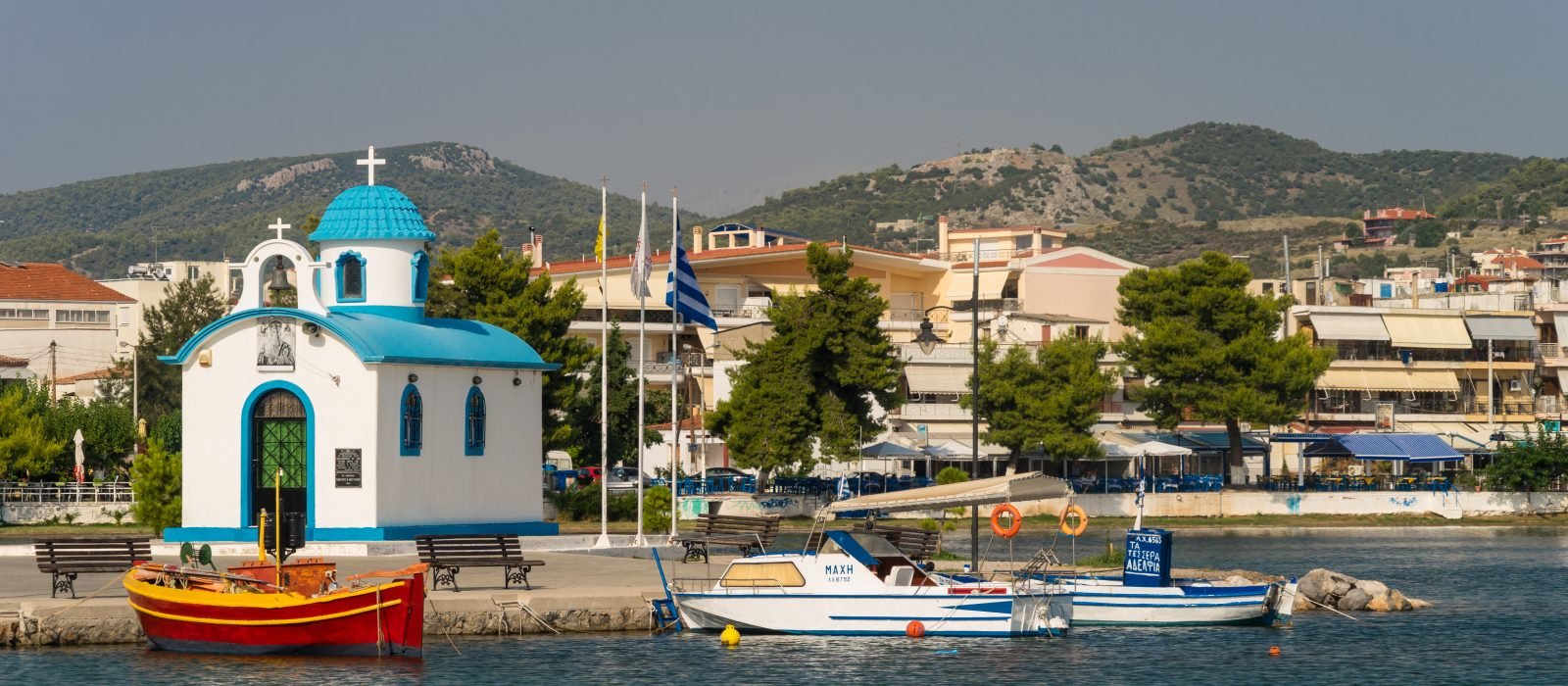
The best sailing in Greece splits into 4 groups: the Ionian islands (gentle winds, best for beginners), the Cyclades (strong summer meltemi, dramatic scenery), the Sporades, and the Dodecanese. May, June, September, and October give the best mix of weather and space.
Greece is a dream destination for many sailors and for good reasons. With its stunning coastline, countless islands, crystal-clear waters, rich history, and delicious cuisine, Greece offers endless possibilities for sailing adventures. Whether you are looking for a relaxing getaway, a cultural immersion, or a thrilling exploration, you will find it in Greece.
But where should you go sailing in Greece? How can you plan your itinerary, choose your boat, and make the most of your trip?
Key Takeaways
- Greece has a variety of sailing regions, each with its own characteristics, attractions, and challenges. Some of the most popular ones are the Cyclades, the Ionian Islands, the Dodecanese, the Sporades, the Saronic Gulf, and the Peloponnese.
- The sailing season in Greece runs from April to October, with July and August being the peak months. The weather is generally sunny and warm, but the wind conditions can vary depending on the region and the time of year. The meltemi wind is a strong northerly wind that blows in the Aegean Sea during the summer months, creating challenging sailing conditions for some areas.
- You can sail in Greece by chartering a boat (with or without a skipper) or by joining a flotilla (a group of boats sailing together). There are many options for boat types and sizes, depending on your budget, preferences, and sailing skills. You can also book a full week sailing holiday with Dream Yacht Charter – no experience necessary.
- Sailing in Greece is not only about enjoying the sea and the sun. It is also about discovering the rich culture, history, and gastronomy of this ancient country. You can visit archaeological sites, museums, monasteries, castles, and villages along the way. You can also sample local delicacies, such as fresh seafood, olives, cheese, and wine.
Cyclades Islands
The Cyclades are a group of islands in the Aegean Sea, southeast of mainland Greece. They are famous for their whitewashed houses, blue-domed churches, and stunning beaches. Some of the most well-known islands are Mykonos, Santorini, Paros, Naxos, and Milos.
The Cyclades are ideal for experienced sailors who are looking for a challenge and a variety of landscapes. The sailing distances between the islands are relatively short, but the wind can be strong and unpredictable. The meltemi wind can blow up to 40 knots in July and August, creating rough seas and waves. You need to be prepared for sudden changes in weather and have good sailing skills.
The Cyclades offer many attractions and activities for sailors. You can admire the breathtaking views of the caldera in Santorini, party in the cosmopolitan Mykonos, explore the ancient ruins of Delos, swim in the volcanic hot springs of Milos, or hike to the marble quarries of Paros. You can also enjoy the nightlife, the shopping, and the gastronomy of these islands.
Suggested photo: a view of Santorini from the sea
Ionian Islands
The Ionian Islands are situated west of mainland Greece, in the Ionian Sea. They are known for their lush greenery, sandy beaches, and turquoise waters. Some of the most popular islands are Corfu, Lefkada, Kefalonia, Zakynthos, and Ithaca.
The Ionian Islands are perfect for beginners and families who want to enjoy a relaxing and easy sailing holiday. The sailing distances between the islands are short, and the wind is mild and consistent. The prevailing wind is the maistro, a northwesterly breeze that blows from May to September. The sea is calm and clear, ideal for swimming and snorkeling.
The Ionian Islands have a lot to offer to sailors. You can visit the Venetian fortresses and museums of Corfu, the stunning beaches and caves of Zakynthos, the picturesque fishing villages and waterfalls of Kefalonia, the windsurfing paradise of Lefkada, or the mythical home of Odysseus in Ithaca. You can also taste the local specialties, such as olive oil, honey, cheese, and wine.
Suggested photo: a view of Zakynthos from the sea
Dodecanese Islands
The Dodecanese Islands are a group of islands in the southeastern Aegean Sea, near the coast of Turkey. They are characterized by their medieval castles, Byzantine churches, and diverse cultures. Some of the most visited islands are Rhodes, Kos, Symi, Patmos, and Karpathos.
The Dodecanese Islands are suitable for adventurous sailors who want to explore different cultures and histories. The sailing distances between the islands are long, and the wind can be strong and gusty. The meltemi wind can blow up to 35 knots in July and August, creating choppy seas and currents. You need to have good navigation skills and check the weather forecast regularly.
The Dodecanese Islands have a lot to offer to sailors. You can visit the UNESCO World Heritage Sites of Rhodes, the birthplace of Hippocrates in Kos, the colorful neoclassical houses of Symi, the sacred monastery of Patmos, or the traditional villages and festivals of Karpathos. You can also enjoy the Turkish influence, the spicy cuisine, and the warm hospitality of these islands.
Suggested photo: a view of Symi from the sea
Sporades Islands
The Sporades Islands are a group of islands in the northern Aegean Sea, east of mainland Greece. They are famous for their pine forests, rocky cliffs, and pristine beaches. Some of the most visited islands are Skiathos, Skopelos, Alonissos, and Skyros.
The Sporades Islands are ideal for nature lovers and eco-friendly sailors who want to enjoy a peaceful and scenic sailing holiday. The sailing distances between the islands are short, and the wind is moderate and steady. The prevailing wind is the meltemi, which blows from June to September. The sea is clean and protected, as it is part of the National Marine Park of Alonissos.
The Sporades Islands have a lot to offer to sailors. You can visit the lively town and airport of Skiathos, the green island and movie location of Skopelos, the secluded island and marine sanctuary of Alonissos, or the remote island and cultural center of Skyros. You can also spot some dolphins, seals, turtles, and birds along the way.
Suggested photo: a view of Skopelos from the sea
Saronic Gulf
The Saronic Gulf is a gulf in the Aegean Sea, south of Athens. It is home to some of the most beautiful and historic islands in Greece, such as Aegina, Poros, Hydra, Spetses, and Agistri.
The Saronic Gulf is perfect for first-time sailors and weekenders who want to enjoy a convenient and comfortable sailing holiday. The sailing distances between the islands are short, and the wind is light and gentle. The prevailing wind is the maistro, which blows from May to October. The sea is calm and safe, ideal for anchoring and mooring.
The Saronic Gulf has a lot to offer to sailors. You can visit the ancient temple of Aphaia in Aegina, the charming town and naval base of Poros, the car-free island and artists’ colony of Hydra, the elegant island and aristocratic resort of Spetses, or the small island and naturist paradise of Agistri. You can also enjoy the culture, the cuisine, and the nightlife of these islands.
Suggested photo: a view of Hydra from the sea
Peloponnese
The Peloponnese is a peninsula in southern Greece, connected to the mainland by the Corinth Canal. It is a region rich in history, culture, and natural beauty. It has a varied coastline, with sandy beaches, rocky coves, and rugged mountains.
The Peloponnese is suitable for experienced sailors who want to discover the ancient and modern Greece. The sailing distances between the ports are long, and the wind can be strong and variable. The meltemi wind can blow up to 30 knots in July and August, creating waves and swells. You need to be flexible and adaptable to the weather conditions.
The Peloponnese has a lot to offer to sailors. You can visit the UNESCO World Heritage Sites of Olympia, Mycenae, Epidaurus, and Monemvasia, the picturesque towns of Nafplio, Kalamata, Gythio, and Pylos, the stunning beaches of Elafonisos, Voidokilia, and Simos, or the mythical mountains of Taygetos, Parnon, and Helmos. You can also enjoy the local products, such as olives, figs, raisins, and ouzo.
Suggested photo: a view of Monemvasia from the sea
FAQ
- How much does it cost to sail in Greece?
The cost of sailing in Greece depends on many factors, such as the type and size of boat you choose, the duration and season of your trip, the sailing region you choose, and the extras you need (such as fuel, water, food, etc.). On average, you can expect to pay between 1000 and 3000 euros per week for a bareboat charter (without a skipper or crew), depending on the boat and the season. A skipper usually costs around 150 euros per day, and a hostess or cook around 120 euros per day. A flotilla (a group of boats sailing together) costs around 2000 euros per week for a boat with four people. A full week sailing holiday with Dream Yacht Charter costs around 2500 euros per week for a boat with six people.
- What are the best times to sail in Greece?
The best times to sail in Greece are from April to October, when the weather is sunny and warm, and the sea is pleasant for swimming. However, the wind conditions can vary depending on the region and the time of year. The meltemi wind is a strong northerly wind that blows in the Aegean Sea during the summer months (July and August), creating challenging sailing conditions for some areas. The maistro wind is a mild northwesterly breeze that blows in the Ionian Sea and the Saronic Gulf from May to October, creating smooth sailing conditions for these areas. The best time to sail in Greece depends on your sailing skills, preferences, and itinerary.
- What are the best boats to sail in Greece?
The best boats to sail in Greece depend on your budget, preferences, and sailing skills. There are many options for boat types and sizes, such as monohulls, catamarans, motorboats, gulets, or luxury yachts. Monohulls are the most common and affordable boats, suitable for most sailing regions and conditions. Catamarans are more spacious and stable, ideal for families and groups. Motorboats are faster and easier to maneuver, perfect for short trips and island hopping. Gulets are traditional wooden boats with large cabins and decks, great for relaxing and enjoying the scenery. Luxury yachts are the most expensive and comfortable boats, equipped with all the amenities and services you need.
- What are the best things to do and see while sailing in Greece?
The best things to do and see while sailing in Greece are endless. You can enjoy the sea and the sun, swim and snorkel in the clear waters, relax and sunbathe on the beautiful beaches, or try some water sports, such as windsurfing, kayaking, or diving. You can also discover the rich culture, history, and gastronomy of Greece. You can visit archaeological sites, museums, monasteries, castles, and villages along the way. You can also sample local delicacies, such as fresh seafood, olives, cheese, and wine. You can also enjoy the nightlife, the shopping, and the entertainment of the islands.
Conclusion
Sailing in Greece is a wonderful way to explore this amazing country and its islands. Whether you are looking for a relaxing getaway, a cultural immersion, or a thrilling exploration, you will find it in Greece. You can choose from a variety of sailing regions, each with its own characteristics, attractions, and challenges. You can also choose from a variety of boat types and sizes, depending on your budget, preferences, and sailing skills. You can also enjoy the weather, the wind, the sea, and the scenery of Greece. Sailing in Greece is not only about enjoying the sea and the sun. It is also about discovering the rich culture, history, and gastronomy of this ancient country.
Suggested photo: a view of a sailboat in the sea with a sunset
I hope you liked this article I wrote for you. If you have any feedback or questions, please let me know.😊