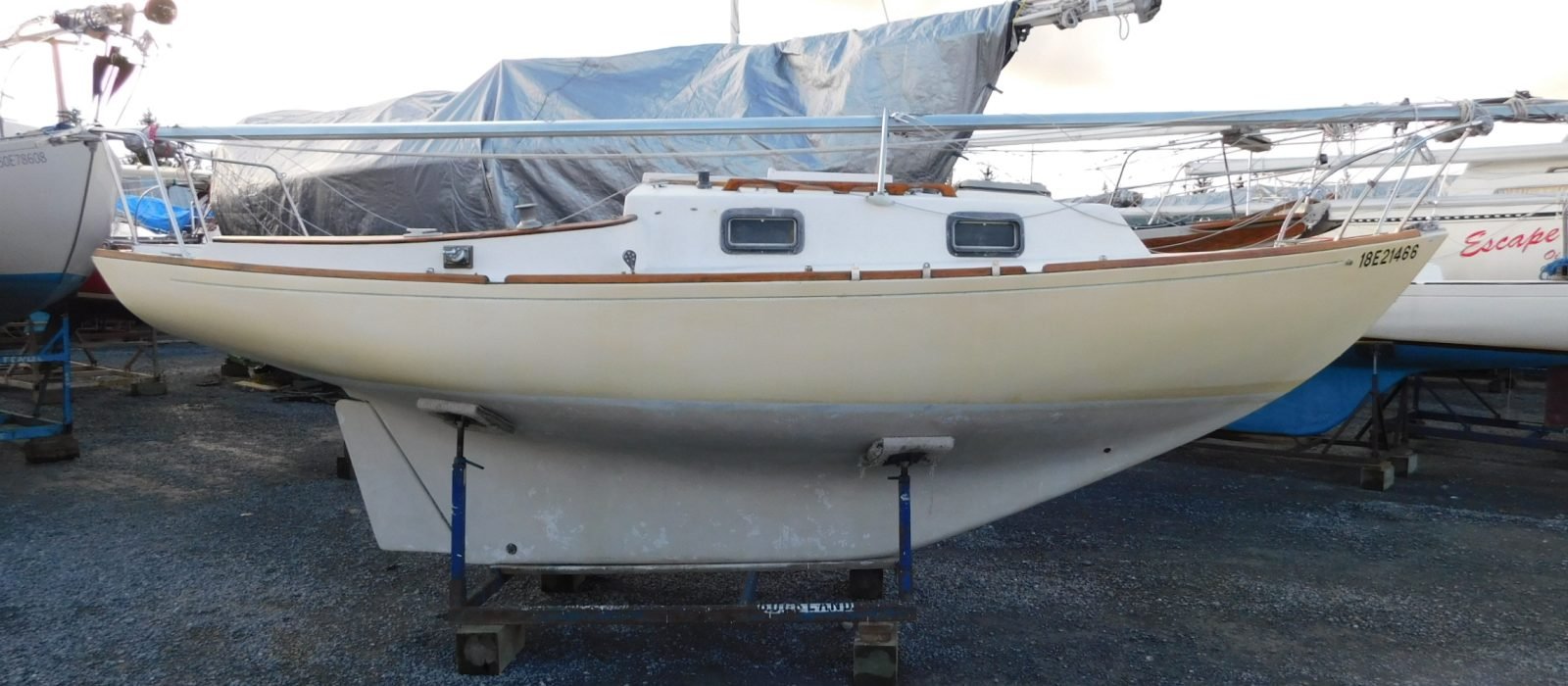
The winter upgrades that pay off most are new sails, a cabin heating system, an upgraded battery bank, solar panels, fresh seat upholstery, smart monitoring devices, and new deck flooring. Do them in the off season, when yards are quieter and you are not giving up sailing days.
Winter is coming, but that doesn’t mean you have to stop sailing. In fact, winter sailing can be a rewarding and exhilarating experience, as long as you have the right gear and equipment to keep you warm, safe, and comfortable. we’ll share some of the best winter upgrades for your sailboat that will make your winter sailing more enjoyable and efficient. Whether you’re a racer or a cruiser, these upgrades will help you get the most out of your sailboat during the cold season.
Key Takeaways
- Winter sailing can be a rewarding and exhilarating experience, as long as you have the right gear and equipment to keep you warm, safe, and comfortable.
- Some of the best winter upgrades for your sailboat are new sails, a heating system, a battery system, seat upholstery, smart devices, a solar system, and deck flooring.
- These upgrades will help you get the most out of your sailboat during the cold season, whether you’re a racer or a cruiser.
- These upgrades also improve your sailboat’s functionality, efficiency, durability, value, and style.
New Sails
One of the most important and probably the biggest winter upgrades that you can give your sailboat is finding her some new sails. We all know the benefits of having crispy and well-working sails, so you should never leave your sails to turn into those yellowing rags and still convince yourself that they’re still good enough to serve you just right. In short, old sails that have been stretched out and full of patches will never be efficient. So if you’re in a situation where you have to crank down your sails until they create a huge crease, it’s time to ensure that getting new sails is a number one winter upgrade priority.
We don’t want to sound unrealistic and we are fully aware that new sails are quite expensive. However, we believe that you truly care about your sailing performance, and getting new sails is certainly well worth the investment. With new sails, your sailboat will sail a lot faster and more efficiently in all weather and water conditions. New sails also improve your safety and that should always be your number one priority.
New sails are also more durable and easier to maintain than old ones. They will last longer and require fewer repairs and adjustments. Plus, they will make your sailboat look more attractive and stylish.
If you’re looking for new sails for your sailboat, you should consider the following factors:
- The type of sailing you do: racing or cruising
- The size and shape of your sailboat
- The wind and water conditions in your sailing area
- The budget and quality of the sails you want
- The warranty and service of the sailmaker you choose
You can also consult with a professional sailmaker or a sailing instructor to get the best advice on what sails suit your sailboat and your sailing goals.
Heating System
Another essential winter upgrade for your sailboat is a heating system. Nothing can ruin your winter sailing more than feeling cold and miserable on board. A heating system keeps you warm and stops condensation, mold, and mildew forming inside the boat. A heating system will also protect your batteries, electronics, and plumbing from freezing and cracking.
There are different types of heating systems for sailboats, such as:
- Diesel heaters: These heaters use diesel fuel to generate heat. They are reliable, efficient, and powerful, but they can be noisy, smelly, and expensive to install and maintain. They also require a dedicated fuel tank and exhaust system.
- Electric heaters: These heaters use electricity to generate heat. They are quiet, clean, and easy to use, but they can be costly, inefficient, and dangerous if not used properly. They also require a shore power connection or a generator to run.
- Propane heaters: These heaters use propane gas to generate heat. They are portable, affordable, and effective, but they can be risky, as propane is flammable and can cause carbon monoxide poisoning if not vented properly. They also require a propane tank and regulator to operate.
- Solid fuel heaters: These heaters use wood, coal, or pellets to generate heat. They are traditional, romantic, and eco-friendly, but they can be messy, smoky, and hard to control. They also require a chimney and a fireproof enclosure to install.
The best heating system for your sailboat depends on your personal preference, budget, space, and safety considerations. You should also check the local regulations and codes before installing any heating system on your sailboat.
Battery System
A third winter upgrade for your sailboat is a battery system. Your batteries are the lifeline of your sailboat, as they power your lights, instruments, appliances, and devices. In winter, your batteries can lose their charge faster due to the cold temperatures and the increased demand for electricity. A battery system lets you monitor and maintain your batteries’ performance and lifespan.
A battery system consists of:
- Batteries: These are the devices that store electrical energy. There are different types of batteries for sailboats, such as lead-acid, gel, AGM, and lithium. Each type has its own advantages and disadvantages in terms of capacity, weight, cost, and maintenance. You should choose the batteries that suit your sailboat’s size, power needs, and budget.
- Battery charger: This is the device that converts AC power from shore or generator to DC power to charge your batteries. A battery charger should be compatible with your batteries’ type, voltage, and capacity. A battery charger should also have features such as temperature compensation, multi-stage charging, and reverse polarity protection.
- Battery monitor: This is the device that displays the status of your batteries, such as voltage, current, state of charge, and state of health. A battery monitor will help you keep track of your batteries’ condition and prevent overcharging or undercharging. A battery monitor will also alert you of any problems or faults with your batteries or charging system.
- Battery isolator: This is the device that separates your batteries into different banks, such as starter, house, and auxiliary. A battery isolator will prevent your batteries from draining each other and ensure that each bank receives the proper charge. A battery isolator will also allow you to switch between different banks or combine them as needed.
A battery system will not only improve your sailboat’s electrical performance and efficiency, but also extend your batteries’ life and save you money and hassle in the long run.
Seat Upholstery
A fourth winter upgrade for your sailboat is seat upholstery. Your seats are one of the most used and abused parts of your sailboat, as they provide comfort and support for you and your guests. Over time, your seats can get worn out, stained, torn, or faded due to the sun, salt, water, and wear and tear. Seat upholstery will give your seats a fresh and new look and feel.
Seat upholstery involves:
- Removing the old fabric and padding from your seats
- Cleaning and repairing any damage or rust on your seat frames
- Measuring and cutting new fabric and padding for your seats
- Sewing and stapling the new fabric and padding to your seat frames
- Reinstalling your seats on your sailboat
Seat upholstery can be a DIY project if you have the skills, tools, and materials. However, if you want a professional and quality result, you should hire a reputable marine upholsterer to do the job for you.
Seat upholstery improves your sailboat’s appearance and value, but also increase your comfort and enjoyment on board.
Smart Devices
A fifth winter upgrade for your sailboat is smart devices. Smart devices are gadgets that can connect to the internet and communicate with each other and with you. Smart devices can make your sailboat more modern, convenient, and fun. Some examples of smart devices for sailboats are:
- Smart speakers: These are devices that can play music, answer questions, control other devices, and more using voice commands. You can use smart speakers to listen to your favorite tunes, check the weather, set reminders, and more while sailing. Some popular smart speakers are Amazon Echo, Google Home, and Apple HomePod.
- Smart lights: These are devices that can change color, brightness, and pattern using an app or a voice command. You can use smart lights to create different moods, scenes, and effects on your sailboat. Some popular smart lights are Philips Hue, LIFX, and Nanoleaf.
- Smart cameras: These are devices that can record video, take photos, and stream live footage using an app or a voice command. You can use smart cameras to capture your sailing adventures, monitor your sailboat’s security, and communicate with your family and friends. Some popular smart cameras are GoPro, Nest Cam, and Ring.
- Smart plugs: These are devices that can turn any appliance or device on or off using an app or a voice command. You can use smart plugs to control your heating system, battery charger, electric heater, and more from anywhere. Some popular smart plugs are TP-Link Kasa, Wemo Mini, and Etekcity.
Smart devices will not only make your sailboat more functional and efficient, but also more enjoyable and entertaining.
Solar System
A sixth winter upgrade for your sailboat is a solar system. A solar system is a set of devices that convert sunlight into electricity for your sailboat. A solar system can reduce your dependence on shore power or generator, save you money on fuel and maintenance, and lower your environmental impact. A solar system consists of:
- Solar panels: These are the devices that capture the sunlight and convert it into DC power. There are different types of solar panels for sailboats, such as rigid, flexible, or semi-flexible. Each type has its own advantages and disadvantages in terms of efficiency, durability, weight, and cost. You should choose the solar panels that suit your sailboat’s size, shape, and power needs.
- Solar charge controller: This is the device that regulates the voltage and current coming from the solar panels to the batteries. A solar charge controller should be compatible with your solar panels’ type, voltage, and capacity. A solar charge controller should also have features such as maximum power point tracking (MPPT), pulse width modulation (PWM), and low voltage disconnect (LVD).
- Solar inverter: This is the device that converts DC power from the batteries to AC power for your appliances and devices. A solar inverter should be compatible with your batteries’ type, voltage, and capacity. A solar inverter should also have features such as pure sine wave, modified sine wave, or square wave output, surge protection, and overload protection.
A solar system will not only provide you with clean and renewable energy for your sailboat, but also reduce your carbon footprint and environmental impact.
Deck Flooring
A seventh winter upgrade for your sailboat is deck flooring. Your deck is the most exposed and used part of your sailboat, as it provides the platform for sailing, docking, anchoring, fishing, swimming, and relaxing. Over time, your deck can get damaged, slippery, dirty, or outdated due to the sun, salt, water, and wear and tear. Deck flooring will give your deck a new surface with better grip and comfort.
Deck flooring involves:
- Removing the old flooring from your deck
- Cleaning and repairing any damage or corrosion on your deck
- Measuring and cutting new flooring for your deck
- Applying adhesive and laying down new flooring on your deck
- Trimming and sealing any edges or gaps on your deck
Deck flooring can be a DIY project if you have the skills, tools, and materials. However, if you want a professional and quality result, you should hire a reputable marine flooring installer to do the job for you.
Deck flooring comes in different types, such as:
- EVA foam: This is a synthetic material that is soft, cushioned, non-slip, and easy to clean. EVA foam comes in various colors, patterns, and textures that can mimic wood, teak, or other materials. EVA foam is also UV-resistant, water-resistant, and stain-resistant. EVA foam is one of the most popular and affordable options for deck flooring.
- Teak: This is a natural wood that is durable, elegant, and classic. Teak has a warm color that lifts the look and value of the boat. Teak is also resistant to rot, insects, and saltwater. Teak requires regular maintenance, such as oiling, sanding, and sealing, to keep its beauty and functionality.
- Synthetic teak: This is a synthetic material that looks and feels like real teak, but with less maintenance and cost. Synthetic teak is made of PVC or composite materials that are molded and textured to resemble wood grains. Synthetic teak is also UV-resistant, water-resistant, and stain-resistant. Synthetic teak is a good alternative for those who want the appearance of teak without the hassle.
Deck flooring will not only improve your sailboat’s performance and appearance, but also increase your enjoyment and satisfaction on board.
FAQ
- Q: How much do these winter upgrades cost?
- A: The cost of these winter upgrades depends on various factors, such as the type, size, quality, and quantity of the products you choose, the installation fees, and the labor costs. You should do some research and compare different options before making a purchase decision. You should also set a budget and stick to it to avoid overspending or underspending.
- Q: How long do these winter upgrades take?
- A: The time it takes to complete these winter upgrades depends on various factors, such as the complexity, difficulty, and extent of the project, the availability of the products and materials, the skills and experience of the installer or yourself, and the weather conditions. You should plan ahead and schedule enough time for each upgrade to avoid delays or interruptions. You should also follow the instructions and guidelines carefully to ensure a successful and safe installation.
- Q: How do I maintain these winter upgrades?
- A: The maintenance of these winter upgrades depends on the type, quality, and usage of the products you choose. You should follow the manufacturer’s recommendations and instructions on how to clean, care for, and store your products. You should also inspect and repair any damage or wear and tear as soon as possible to prevent further deterioration or malfunction. You should also consult with a professional or an expert if you have any questions or concerns about your products.
Conclusion
Winter sailing is not for the faint of heart, but for those who love the challenge and thrill of sailing in cold and harsh conditions. However, winter sailing also requires proper preparation and equipment to ensure a safe and comfortable sailing experience. By upgrading your sailboat with some of the best winter upgrades we’ve discussed you can make your winter sailing more enjoyable and efficient. Whether you’re a racer or a cruiser, these upgrades will help you get the most out of your sailboat during the cold season. They also improve your sailboat’s functionality, efficiency, durability, value, and style. So don’t let the winter stop you from sailing. Instead, use this time to upgrade your sailboat and get ready for the next sailing season.
We hope you found this article helpful and informative. If you have any questions or comments, please feel free to leave them below. We’d love to hear from you. And if you liked this article, please share it with your friends and fellow sailors. Happy winter sailing!