The ideal wind speed for sailing is 8 to 15 knots for most sailors. Beginners learn fastest in 5 to 10 knots, experienced cruisers enjoy 12 to 20, and most boats sail well up to 25 knots with reduced sail. Below 5 knots boats struggle to move; above 25 the day shifts from fun to work.
Ask 10 sailors for the perfect wind and you get 10 answers within the same band. The dinghy racer wants 18. The family cruiser wants 12. The new sailor secretly wants 7 and no waves. All of them are right for their boat and their goals.
Here is how to read the numbers, and how to pick your day.
Wind speed bands and what they feel like
Wind at sea gets measured in knots (1 knot = 1.15 mph) and described by the Beaufort scale. The practical bands:
- 0 to 5 knots (Beaufort 0-2): frustration. Sails slat, the boat ghosts at 1 or 2 knots, and the crew swims or motors. Good for a first-ever lesson on raising sails, little else.
- 5 to 10 knots (Beaufort 2-3): the learning zone. Enough breeze to sail properly, gentle enough that mistakes cost nothing. The boat heels a few degrees, tacks happen in slow motion, and nobody spills a drink.
- 8 to 15 knots (Beaufort 3-4): the sweet spot. Whitecaps begin around 12. Nearly every boat performs well under full sail, steering feels alive, and speeds reach hull-speed territory. If a forecast reads 10 to 14, go.
- 15 to 20 knots (Beaufort 4-5): sporty. Real power in the rig. Cruisers tuck the first reef, dinghy sailors hike hard, spray comes aboard. Experienced crews call this the best sailing of all.
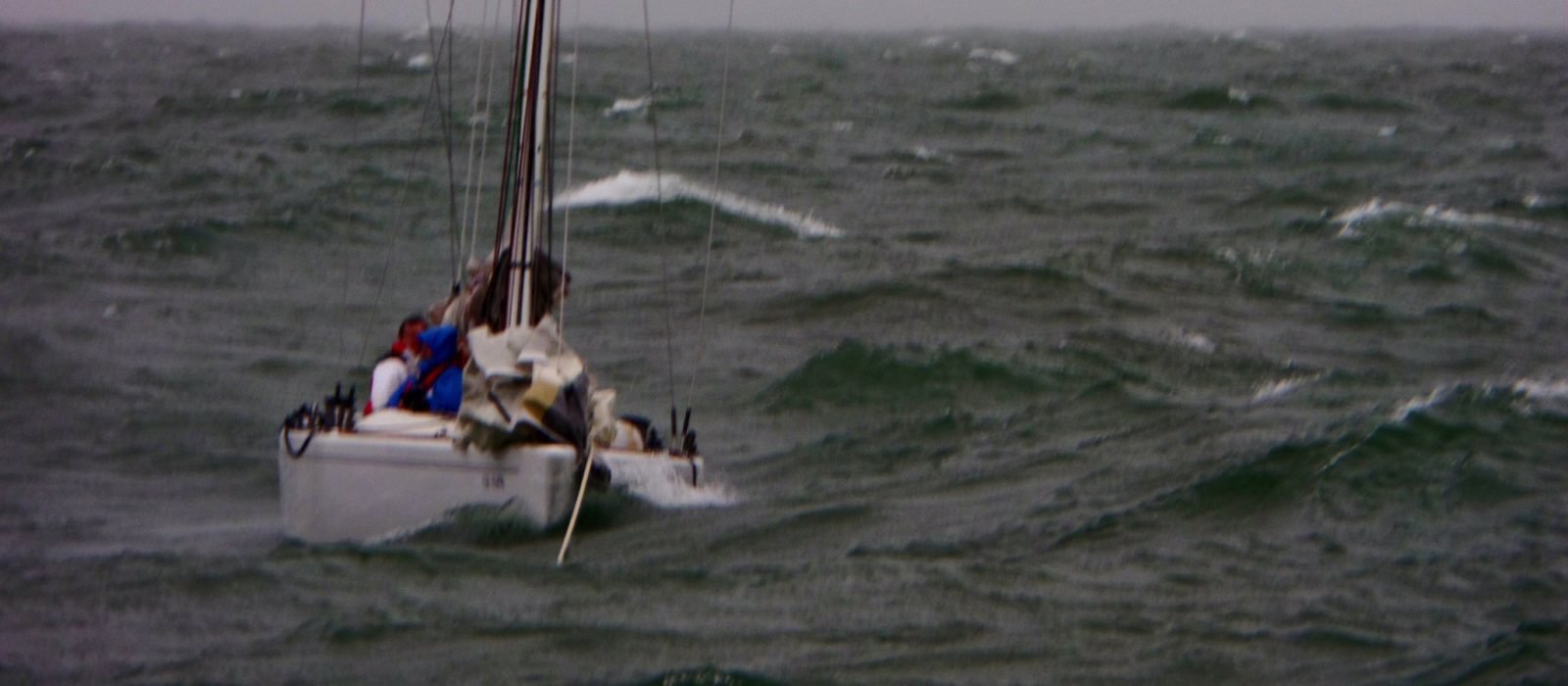
- 20 to 25 knots (Beaufort 5-6): work. Reefed main, smaller headsail, building seas. Fine for prepared crews and solid boats, tiring for everyone else, too much for beginners.
- 25 to 33 knots (Beaufort 6-7): stay or go decision. Small craft advisories fly. Deliveries and passages continue with storm tactics ready. Day sailors stay in the marina and do boat projects.
- Above 33 knots (Beaufort 8+): gale. Survival tactics, not recreation.
Ideal wind by experience level
Beginners: 5 to 10 knots
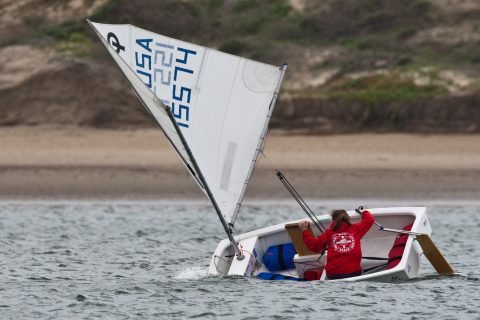
Learning to sail means processing 5 new things at once: wind direction, sail trim, steering, boat balance, and vocabulary. Light air slows the game down so your brain keeps up. Capsizes in a dinghy at 8 knots are a swim; at 18 they are a rescue.
One caution: below 5 knots teaches bad habits, because the boat barely responds to anything you do. Aim for the day with steady 7 or 8.
Improving sailors: 10 to 15 knots
This band teaches sail trim honestly. The boat rewards a well-shaped sail with a visible speed jump, heel becomes something you manage with traveler and sheet, and gusts arrive gently enough to practice easing through them.
Experienced sailors: 12 to 20 knots
Enough wind to feel the boat light up, make fast passages, and practice reefing for real. Most modern cruisers hit their best speeds close-reaching in 15 to 18 knots of true wind.
Ideal wind by boat type
- Small dinghies (Optimist, Sunfish, Laser): 5 to 12 knots for fun, 15-plus for athletes in hiking straps.
- Beach cats (Hobie 16): 10 to 18 knots. They wake up where monohull dinghies get overpowered.
- Keelboat daysailers (J/22, Catalina 22): 8 to 16 knots. The lead keel forgives what a dinghy punishes.
- Cruising monohulls 30 to 45 feet: 12 to 20 knots true. Under 8 they motor; over 22 they reef and press on comfortably.
- Cruising catamarans: 12 to 22 knots. No heel to complain about, though they reef earlier than monohull sailors expect because the load rises fast.
- Racing boats: whatever the race committee allows. Racers cancel below about 5 and above 25 to 30 depending on class.
Reading the difference between true and apparent wind
Forecasts report true wind: what a stationary anemometer measures. Your boat feels apparent wind: true wind combined with the wind of your own motion.
Sailing upwind at 6 knots in 14 knots of true breeze puts nearly 19 knots of apparent wind across the deck. The same day, turned downwind, the apparent drops to 8 and the crew takes off jackets. This is why a broad reach feels like the wind died and why turning upwind for the sail home surprises new sailors every time.
Rule of thumb: add roughly half your boat speed to the forecast for upwind planning, subtract it for downwind.
Gusts matter more than averages
A forecast of “12 gusting 18” is a pleasant day. “12 gusting 25” is a different animal, because sail plans get set for the gusts, not the average. Check the gust number every time, and treat a gust spread wider than 8 to 10 knots as a flag for unstable, squally air.
Local geography adds its own edits: afternoon sea breezes build 5 to 10 knots over the morning forecast on sunny coasts, channels between islands accelerate wind by a third, and tall shorelines produce lulls and back-eddies that make the forecast look like fiction.
When to stay home
Skip the sail when any of these line up: sustained wind above your reefing comfort, a gust spread over 10 knots, wind against a strong tide in your sailing area (short steep waves), thunderstorms in the forecast, or a crew whose least experienced member would be scared. Wind you would enjoy solo can be wrong wind with your kids aboard.
The sea keeps offering more days. Sailors who last decades are the ones who got good at saying “next weekend.”
The short answer, one more time
Watch the forecast for 8 to 15 knots with gusts under 20, sunshine optional. That day is ideal for almost everyone on almost every boat. Take it, and let the 25-knot heroes have their bruises.