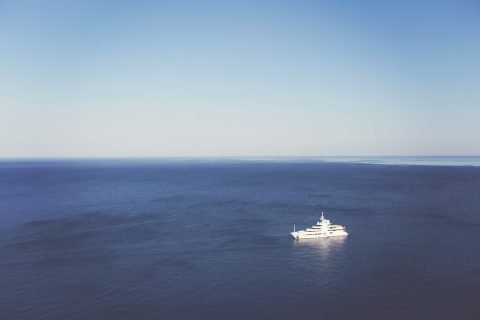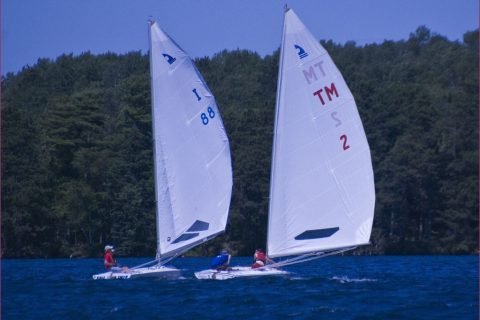
Croatia’s best sailing runs the Dalmatian coast: Kornati National Park, Hvar, Vis, Korčula, and the islands off Split and Šibenik. Over 1,000 islands sit within short day hops, marinas are well developed, and the season runs May through October.
- A photo of Rovinj’s old town and harbor at the beginning of the article.
- A photo of Pula’s amphitheater after the paragraph about Pula.
- A photo of Zadar’s Sea Organ and Sun Salutation after the paragraph about Zadar.
- A photo of Sibenik’s Cathedral of St. James after the paragraph about Sibenik.
- A photo of Split’s Diocletian’s Palace after the paragraph about Split.
- A photo of Hvar’s fortress and square after the paragraph about Hvar.
- A photo of Korcula’s old town and walls after the paragraph about Korcula.
- A photo of Dubrovnik’s old town and walls after the paragraph about Dubrovnik.
- A photo of Mljet’s national park and lakes after the paragraph about Mljet.
Croatia is a dream destination for sailing enthusiasts. With its stunning coastline, crystal-clear waters, and charming islands, it offers a variety of experiences and adventures for every taste and budget. Whether you want to explore the historic cities, relax on the sandy beaches, or discover the hidden coves and caves, sailing in Croatia will not disappoint you.
But how do you plan your sailing trip in Croatia? What are the best destinations to visit? How do you choose the right boat and crew? And what are the tips and tricks to make your sailing experience unforgettable?
com. I will also give you some recommendations for the best sailing destinations in Croatia, along with some facts, data, tables, and lists to help you plan your trip.
Key Takeaways
- Sailing in Croatia is a great way to explore the country’s beautiful coastline and islands, which offer a variety of attractions and activities for every taste and budget.
- You can sail in Croatia all year round, but the best time is from May to October, when the weather is warm and sunny, and the sea is calm and clear.
- You can choose from different types of boats and charter options, depending on your preferences, skills, and budget. You can also hire a skipper or join a flotilla if you want more guidance and support.
- You can sail along four main regions in Croatia: Istria and Kvarner, North Dalmatia, Central Dalmatia, and South Dalmatia. Each region has its own characteristics and highlights, so you can tailor your itinerary according to your interests and time.
- Some of the best sailing destinations in Croatia are Rovinj, Pula, Zadar, Sibenik, Split, Hvar, Korcula, Dubrovnik, and Mljet. These places offer a mix of culture, history, nature, and nightlife that will make your sailing trip memorable.
How to Choose Your Boat and Charter Option
One of the first things you need to decide when planning your sailing trip in Croatia is what type of boat and charter option you want. There are many factors to consider, such as your sailing skills, the number of people in your group, your budget, and your desired level of comfort and convenience.
Here are the main types of boats and charter options you can choose from:
- Bareboat charter: This is the most flexible and independent option, where you rent a boat without a skipper or crew and sail it yourself. You need to have a valid sailing license and experience to do this, as well as take care of all the aspects of the boat, such as fuel, water, food, and maintenance. This option is ideal for confident and adventurous sailors who want to have full control over their itinerary and pace.
- Skippered charter: This is a good option for those who want to enjoy the freedom of sailing without the hassle of managing the boat. You rent a boat with a skipper, who will take care of the navigation, safety, and technical issues of the boat. You can still decide where to go and what to do, but you will have the benefit of the skipper’s local knowledge and expertise. This option is suitable for beginners or intermediate sailors who want to learn more about sailing or relax more on their trip.
- Crewed charter: This is the most luxurious and comfortable option, where you rent a boat with a skipper and a crew, who will take care of everything for you, from sailing to cooking to cleaning. You can enjoy the amenities and services of the boat, such as air conditioning, Wi-Fi, TV, and jacuzzi, as well as the personalized attention and hospitality of the crew. This option is perfect for those who want to treat themselves to a VIP sailing experience or celebrate a special occasion.
- Flotilla sailing: This is a fun and social option, where you join a group of other boats that sail together along a predefined route and schedule. You can either rent your own boat or share it with others, and you will have a lead boat with a skipper and a host who will guide you and organize activities and events for you. You can also mingle with other sailors and make new friends along the way. This option is great for those who want to have more security and support while sailing or who want to meet like-minded people.
The type of boat you choose will depend on your preferences and needs. You can opt for a sailboat, a catamaran, a motorboat, or a gulet, each with its own advantages and disadvantages. Here are some of the main differences between them:
| Type of boat | Advantages | Disadvantages |
|---|---|---|
| Sailboat | More affordable, more authentic sailing experience, more maneuverable, more eco-friendly | Less spacious, less stable, slower, more affected by weather conditions |
| Catamaran | More spacious, more stable, faster, more comfortable, easier to access shallow waters | More expensive, less authentic sailing experience, harder to maneuver, higher fuel consumption |
| Motorboat | Faster, more powerful, less dependent on wind, more modern and stylish | More expensive, less authentic sailing experience, higher fuel consumption, more noisy and polluting |
| Gulet | More spacious, more comfortable, more traditional and charming, more suitable for large groups | More expensive, slower, less maneuverable, less available |
You can find a wide range of boats and charter options in Croatia, from budget-friendly to luxury ones. You can also compare prices and reviews online or contact a local agency to help you find the best deal for you.
How to Plan Your Itinerary and When to Go
Another important thing you need to plan for your sailing trip in Croatia is your itinerary. Croatia has a long and diverse coastline that stretches for over 1,700 kilometers and includes more than 1,000 islands. You can sail along four main regions in Croatia: Istria and Kvarner, North Dalmatia, Central Dalmatia, and South Dalmatia. Each region has its own characteristics and highlights, so you can tailor your itinerary according to your interests and time.
Here are some of the best sailing destinations in Croatia that you should not miss:
- Rovinj: This is one of the most picturesque towns in Istria and Kvarner region. It has a charming old town with colorful houses and narrow streets that overlooks the Adriatic Sea. You can admire the stunning views from the Church of St. Euphemia or explore the nearby islands of St. Andrew and St. Catherine.
- Pula: This is the largest city in Istria and Kvarner region and a popular tourist destination. It is famous for its Roman heritage, especially the impressive amphitheater that dates back to the 1st century AD. You can also visit the Temple of Augustus, the Arch of the Sergii, and the Forum.
- Zadar: This is the main city in North Dalmatia and a cultural and historical hub. It has a rich and turbulent history that spans from the ancient times to the modern era. You can see the remnants of the Roman, Byzantine, Venetian, and Croatian civilizations in its monuments and buildings. You can also enjoy the unique attractions of the Sea Organ and the Sun Salutation, which are musical and light installations that use the power of the sea and the sun.
- Sibenik: This is another beautiful city in North Dalmatia and the oldest Croatian town on the Adriatic coast. It is known for its medieval architecture and its UNESCO-listed Cathedral of St. James, which is a masterpiece of stone carving. You can also visit the nearby Krka National Park, which has stunning waterfalls and lakes.
- Split: This is the largest city in Central Dalmatia and the second-largest city in Croatia. It is a lively city that mixes ancient and modern. It is built around the Diocletian’s Palace, which was a Roman emperor’s residence in the 4th century AD. You can explore the palace’s complex and its surrounding streets, squares, and churches. You can also enjoy the nightlife, shopping, and gastronomy of Split.
- Hvar: This is one of the most popular islands in Central Dalmatia and Croatia. It is known for its sunny weather, lavender fields, vineyards, and olive groves. It also has a glamorous reputation as a hotspot for celebrities and jet-setters. You can visit the town of Hvar, which has a stunning fortress, a cathedral, and a lively square. You can also party at the famous Carpe Diem beach club or relax at the Pakleni Islands.
- Korcula: This is another beautiful island in Central Dalmatia and Croatia. It is known for its dense pine forests, sandy beaches, and crystal-clear waters. It also has a rich cultural heritage and claims to be the birthplace of Marco Polo, the famous explorer. You can visit the town of Korcula, which has a medieval old town with stone walls, towers, and gates. You can also enjoy the local cuisine, wine, and folklore of Korcula.
- Dubrovnik: This is the main city in South Dalmatia and one of the most famous destinations in Croatia. It is a UNESCO World Heritage Site with a walled old town of stone, fortresses, churches, and palaces. You can walk along the walls or take a cable car to enjoy the panoramic views of the city and the sea. You can also visit the nearby islands of Lokrum, Mljet, and Elaphiti, which offer natural beauty and tranquility.
- Mljet: This is one of the most beautiful and greenest islands in South Dalmatia and Croatia. It is known for its national park, which covers almost a third of the island. The park has two saltwater lakes, Veliko and Malo Jezero, which are connected by a narrow channel. You can swim, kayak, or bike around the lakes or visit the small island of St. Mary, which has a 12th-century Benedictine monastery.
These are just some of the best sailing destinations in Croatia that you can choose from. Of course, there are many more places to discover and enjoy along the Croatian coast and islands. You can create your own itinerary based on your preferences and time, or you can follow some of the suggested routes that are available online or through local agencies.
The best time to sail in Croatia is from May to October, when the weather is warm and sunny, and the sea is calm and clear. The peak season is from July to August, when the prices are higher and the crowds are larger. If you want to avoid the crowds and save some money, you can sail in May, June, September, or October, when the weather is still pleasant and the sea is still warm.
You can sail in Croatia all year round, but you should be aware of the weather conditions and the sailing regulations that may vary depending on the season. For example, in winter, you may encounter strong winds, such as bura and jugo, which can make sailing challenging or dangerous. You may also need to obtain a special permit to sail in some areas or pay a higher fee for mooring or anchoring.
How to Make Your Sailing Experience Unforgettable
The passages between Croatian islands are as good as the stops. You can make your sailing experience unforgettable by following a few practical tips.
Here are some of the things you can do to make your sailing trip in Croatia more memorable:
- Learn some basic sailing skills: Even if you hire a skipper or join a flotilla, it is always good to learn some basic sailing skills, such as steering, trimming, tacking, and docking. You will feel more confident and involved in the sailing process, and you will also have more fun and excitement. You can ask your skipper or host to teach you some of the basics or take a sailing course before or during your trip.
- Pack smartly: Sailing in Croatia requires some smart packing, as you will have limited space and resources on your boat. You should pack lightly and bring only the essentials, such as clothes, shoes, toiletries, sun protection, medications, and documents. You should also pack some extras, such as a waterproof bag, a flashlight, a power bank, a camera, and a snorkeling gear. You should also check the weather forecast and the sailing regulations before you pack, as you may need some specific items, such as a warm jacket, a raincoat, or a VHF radio.
- Respect the environment: Sailing in Croatia is a great way to appreciate the beauty and diversity of nature, but it also comes with a responsibility to protect and preserve it. You should respect the environment and follow some simple rules, such as not throwing any garbage or waste into the sea, not using any harmful chemicals or detergents on your boat, not anchoring or mooring in protected areas or near coral reefs, and not disturbing or harming any wildlife or plants. You should also support the local communities and businesses that are working to conserve and improve the environment.
- Try new things: Sailing in Croatia is an opportunity to try new things and have new experiences that will enrich your trip. You can try new activities, such as kayaking, windsurfing, diving, fishing, hiking, or cycling. You can also try new foods and drinks, such as seafood, cheese, olive oil, wine, or rakija. You can also try new cultures and languages, such as Croatian, Italian, or German. You can also try new perspectives and attitudes, such as being more adventurous, curious, or open-minded.
- Make new friends: Sailing in Croatia is also a chance to make new friends and connections that will make your trip more enjoyable and meaningful. You can make new friends with your skipper, crew, or host, who can share with you their stories, tips, and insights. You can also make new friends with other sailors or travelers, who can join you in your activities, events, or parties. You can also make new friends with the locals, who can show you their hospitality, culture, and traditions.
FAQ
- Do I need a visa to sail in Croatia?
- If you are a citizen of a European Union country, you do not need a visa to sail in Croatia. You just need a valid passport or identity card. If you are a citizen of a non-EU country, you might need a visa to sail in Croatia. You can check the visa requirements and apply for a visa online at the official website of the Ministry of Foreign and European Affairs of Croatia.
- Do I need a sailing license to sail in Croatia?
- If you want to sail a boat yourself, you need a valid sailing license and a VHF radio license. You can check the list of accepted sailing licenses at the official website of the Ministry of the Sea, Transport and Infrastructure of Croatia. If you do not have a sailing license, you can hire a skipper or join a flotilla.
- How much does it cost to sail in Croatia?
- The cost of sailing in Croatia depends on many factors, such as the type and size of the boat, the charter option, the season, the duration, and the itinerary. You can expect to pay from 500 to 5,000 euros per week for a boat rental, depending on these factors. You also need to consider some additional costs, such as fuel, water, food, mooring fees, insurance, and taxes. You can find some examples of prices and packages online or contact a local agency to get a quote for your trip.
- What are the best marinas in Croatia?
- Croatia has over 50 marinas along its coast and islands, which offer various facilities and services for sailors. Some of the best marinas in Croatia are Marina Frapa in Rogoznica, Marina Kornati in Biograd na Moru, ACI Marina Split in Split, ACI Marina Palmizana in Hvar, ACI Marina Korcula in Korcula, and ACI Marina Dubrovnik in Dubrovnik. You can find more information about these and other marinas online or in guidebooks.
Conclusion
Sailing in Croatia is one of the best ways to experience the beauty and diversity of this amazing country. You can choose from different types of boats and charter options, as well as different regions and destinations, to create your own sailing adventure. You can also enjoy the various attractions and activities that each place has to offer, both on land and on water. You can also have fun, learn new things, meet new people, and make lasting memories while sailing in Croatia.
I hope this article has inspired you to plan your sailing trip in Croatia or has given you some useful tips and tricks to make your sailing experience unforgettable. If you have any questions or comments, feel free to leave them below or contact me at editor@sunseaskis.com. Happy sailing! 😊